
Teeth can be whitened by a number of different methods. What no method can guarantee, though, is how long the result lasts — that depends on what you do afterwards.
If the result is to last, the teeth have to be looked after. Everyday habits matter a great deal here, and the better you look after your teeth after whitening, the longer they stay as they are.
Methods of whitening
Whitening is one of the most sought-after dental procedures. Its aim is a good-looking smile and lighter teeth without fitting veneers or crowns. In the practice it is done with an LED lamp or with a laser.
Both methods give excellent results and are entirely safe for the teeth: neither causes damage. The result is visible immediately after the treatment. The new shade should last two to five years, though that depends largely on you and on how you look after your teeth.
Dentists most often use the lamp technique. It is done in three sessions of fifteen minutes, at most four. Lamp whitening takes several appointments, depending on how stained the teeth are and how light you want them.
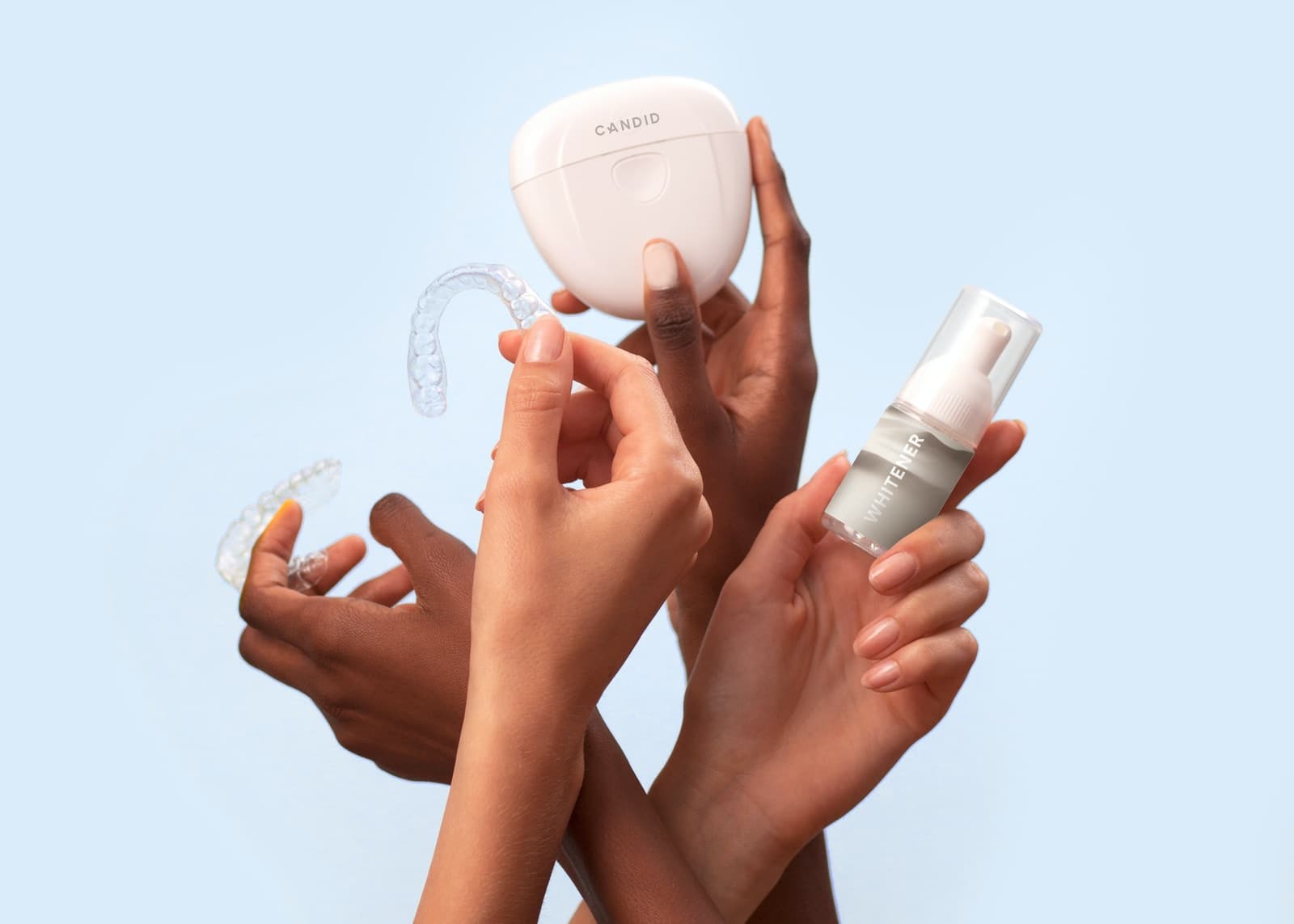
Home whitening can also be effective, but is considerably slower than what is available in the practice. With it a person can lighten their teeth by several shades over a few days. It requires a custom tray, very thin and closely fitting, which is worn at night without disturbing sleep.
What affects teeth after whitening
What we do, and how we look after our teeth, decides how long the result lasts. The more disciplined you are, the longer your teeth stay lighter. Several things can change their colour.
- Smoking: cigarettes leave dark stains that ordinary daily brushing cannot remove. Removing them requires treatment at the practice.
- Dark-coloured liquids: coffee, tea and wine affect the natural colour of the teeth, and they affect them after whitening too.
- Oral hygiene: brushing regularly, flossing and using an interdental brush keep the teeth not only lighter for longer but healthier.
Regular professional cleaning: for any discolouration you cannot remove yourself, a professional clean at the practice is what is needed. Dentists usually polish and air-polish the teeth, and clean with ultrasound.
The first 48 hours after whitening
It matters that patients keep to what is called the white diet for the first 48 hours after whitening. It gives the teeth time to settle after the change they have just been through, and prevents staining and marking.
So for the first 48 hours eat only white and clear foods. Chicken, turkey and white fish, for instance. White cream sauces, bananas, eggs, white beans, cauliflower and potatoes — but not crisps. Of grains, rice is allowed; of dairy, yoghurt or skimmed milk.
Alcohol is acceptable, but only clear drinks: white wine, white rum and vodka. Of soft drinks, sparkling or still water, tonic and lemonade.
What to avoid in the first 48 hours after whitening
For the best result, certain foods should be left out for the first 48 hours. Above all, coloured foods: red meat, and coloured fish such as tuna and salmon. Of fruit and vegetables, leave out lemon, plums, oranges, strawberries, raspberries, blueberries, tomatoes, lettuce, carrots, green beans, beetroot, sweetcorn, peas and broccoli.
Almost all grains and sweets are also out. Of dairy, leave out butter, cream, whole milk and margarine. Drinks to avoid are coffee, cola, tea and fruit juices. In truth, even if you do have one of the forbidden items you will not do great harm — but it is better to be safe and keep them to a minimum.
It is worth drinking coffee or juice through a straw for the first few days. Alongside regular brushing, rinse the mouth with running water for twenty seconds or so. People with sensitive teeth might use a toothpaste containing strontium and casein. Dentists also recommend rubbing in a remineralising paste, which is particularly effective after whitening.
In the first few hours after whitening the teeth can feel sensitive, so take care that what you eat is neither too hot nor too cold. It also matters to avoid cigarettes for the first 48 hours if you smoke.
Everyday care after whitening
Brushing regularly is the best way of keeping your teeth healthy, keeping their colour and keeping the result of the whitening. Brush at least twice a day, thoroughly and with the right technique. Using the right brush, floss and an interdental brush matters just as much.
To clear bacteria from the mouth thoroughly, it is worth rinsing once a day with a mouthwash. Use ordinary toothpaste all the time, and a whitening toothpaste once or twice a week as well. Whitening toothpaste has no great whitening power and cannot produce the results of the advanced techniques, but it is effective at preventing the colour changing again.
Book an examination
A first examination is not charged for. You choose an appointment online, in a few steps, or call us.