

A throbbing pain in a tooth can point to a number of different problems. It is usually a sign of damage to the tooth or of infection. It can equally mean an abscess or decay.
Either way, a patient cannot diagnose the cause of this kind of pain themselves. Seeing a dentist is the only, and the best, way of establishing the cause and deciding on treatment.
What causes a throbbing toothache
The causes are varied and range from the simple to the more complicated. The commonest are:
- Decay and cavities — bacteria building up on the teeth damage the surface, which leads to cavities and sensitivity.
- Infection — inflammation of the gums or the tooth often causes intense pain.
- Injury to the teeth or face — a blow or a fracture can cause pain through exposed nerves.
- Advanced decay — long-neglected oral hygiene can lead to the tooth breaking down.
- An abscess — an infection leading to a collection of pus can cause severe pain and swelling.
- A damaged filling — a filling that has worn or come out can cause pain by exposing the inside of the tooth.
- Teeth coming through — in younger people, erupting teeth, wisdom teeth in particular, can be painful.
- A fractured tooth — cracks or breaks create direct contact with the nerve, which causes throbbing pain.
Symptoms that go with a throbbing toothache
A throbbing toothache often comes with other symptoms:
- A constant dull ache
- Sharp pain when chewing
- Sensitivity to cold, heat or sweet things
- Swelling of the gums or the face
- Pus or a whitish discharge
- A bad taste or smell in the mouth
- Red, inflamed gums
- A raised temperature or fever
These point to a more serious problem that needs urgent dental attention.
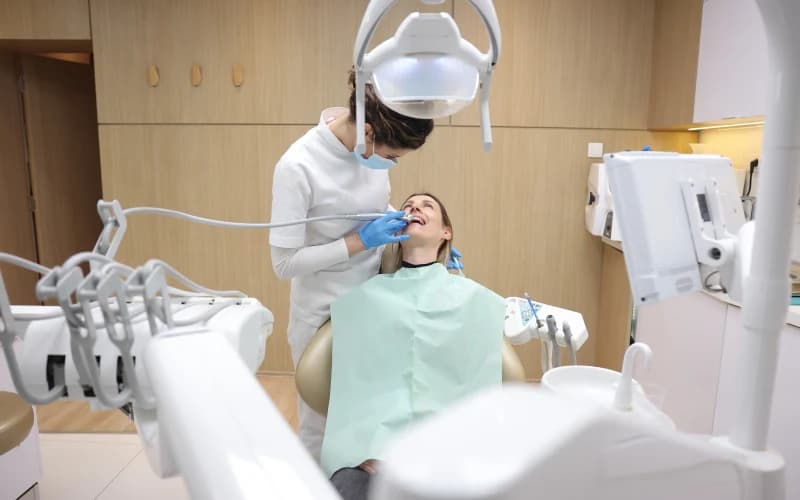
Tooth decay
The commonest reason for toothache is decay. It happens when bacteria eat away the outer layer of the tooth. Too much sugar, and a varied diet, can let bacteria build up in the mouth, and that build-up forms the plaque that damages teeth and gums.
To stop a throbbing pain caused by decay or damage, the dentist repairs the cavity, cleans the tooth, prescribes antibiotics to clear the infection, and places a filling.

A dental abscess
An abscess means the whole pulp inside the tooth has died. The dead tissue forms a pocket where bacteria and pus collect, and that is the abscess. It can also be caused by infection or inflammation of the tooth.
Treating an abscess involves antibiotics to kill the bacteria causing the infection, draining the abscess itself, cleaning and treating the gums if gum disease caused it, or placing an implant, which means replacing the existing tooth.
A fractured tooth
A fracture is a crack or a split in a tooth. It can happen in several ways: biting on something hard, a fall, or a hard blow to the teeth. The throbbing pain comes from irritation of the nerve or pulp of the damaged tooth by food particles, bacteria or water.
The dentist repairs the damaged tooth with a filling or a crown. Either way, the treatment depends on how severe the damage is.
A damaged filling
A filling can easily be damaged by ordinary chewing, by biting hard food, or by clenching and grinding. Under those forces a filling can break up, wear down, crack or simply come out — and a throbbing pain can follow.
Your dentist will first try to repair the damaged filling, or replace it entirely, depending on the damage. In some cases a new crown may be needed.
Infected gums
Infected gums, or gingivitis, can lead to considerably more serious conditions such as gum disease or periodontal disease. Gum disease is the main cause of tooth loss in adults. It can arise from poor oral hygiene, smoking, a poor diet, genetics or hormonal changes.
Gum disease can cause the gums to recede and even break down the bone holding the teeth. It can also loosen the teeth and lead to decay.
Gum disease is usually treated with a deep clean, though the patient will need several sessions for it to be done properly and the tooth saved. In severe cases surgery may be needed.
Grinding your teeth
Grinding, or bruxism, usually happens during sleep, when a person unconsciously clenches or grinds their teeth. It can come from stress, an over-developed jaw, or even genetics. Bruxism can cause pain in the teeth, the gums and the jaw itself. It can also cause the gums to recede and the teeth to thin, erode and even come out.
The first thing is to stop the pain that grinding causes. Wearing a guard during sleep can help prevent it. Better still is to stop the grinding altogether: stress-reduction techniques are worth trying, as is talking to a mental health professional.
Teeth coming through
A throbbing toothache can certainly be caused by new teeth coming through. That is usually a problem in babies or young people getting new teeth, but it can also be caused by wisdom teeth at any stage of life.
As a tooth comes through the gums usually hurt, but the tooth itself can hurt too if its growth is blocked as it pushes through the gum. Problems and pain can also arise if teeth come through at the wrong angle.
The only way of easing the pain of a tooth coming through is a dental gel or a painkiller. It is worth asking your dentist which medicines are suitable.
When to see a dentist
Since a throbbing toothache has many possible causes, a patient cannot establish the real one alone. Seeing a dentist promptly can matter a great deal in heading off some of the more serious problems a throbbing pain can point to.
If you have any of these symptoms:
- Pain lasting more than a day
- Pain when biting or chewing
- Red gums
- Swelling
- Fever
- Difficulty swallowing
- A bad taste or smell
it is worth seeing your dentist, so the real cause is established and more serious problems are prevented.
You can also try to ease the pain yourself by:
- Rinsing the mouth with warm salt water.
- Taking over-the-counter painkillers.
- Gently removing food or deposits between the teeth with floss.
- Trying home remedies for toothache.
- Applying a cold compress to the jaw or cheek.
These can hold the pain off until you get to the dentist. Either way, a professional needs to establish what is behind it.
Frequently asked questions
A throbbing toothache raises plenty of questions. To help you understand your symptoms and the options for treatment, here are the ones asked most often, with answers that make it easier to decide and to act in time.
- Why do teeth throb?
- Throbbing usually points to an infection, decay, an injury or some other problem irritating the nerve inside the tooth.
- How do I know an abscess is causing the pain?
- The main signs of an abscess are swelling, pus, red gums, a bad smell or taste, and a raised temperature.
- Is a throbbing toothache an emergency?
- It can be. A throbbing toothache may point to something serious, such as an infection, so seeing a dentist promptly is recommended.
- How can toothache be prevented?
- Regular oral hygiene, using floss, avoiding too much sugar and seeing a dentist regularly are what prevent it.
- How long does treating an abscessed tooth take?
- Treating an abscess usually takes a few days with antibiotics; the full treatment, including drainage or extraction, depends on how severe it is.
Book an examination
Book your check-up in a few steps.