
share
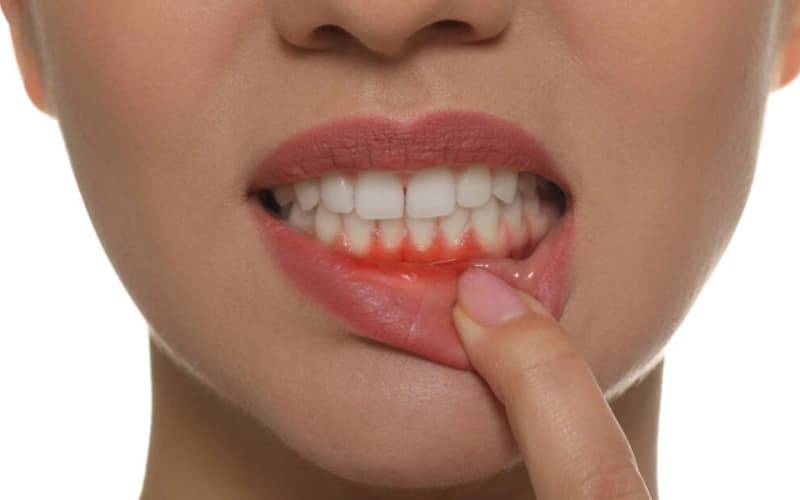
Receding gums means the gum pulling back from the tooth and exposing the root beneath. You may notice it as increased sensitivity, or from the look of the teeth, which appear longer than before. You may also feel a small ridge where the gum meets the tooth, at the gum line.
Receding gums are a common dental problem, but not one to ignore: it can lead to, or be a sign of, other gum disease. People of every age meet it, children and pregnant women included. The technical name is gingival recession. It often comes from brushing too hard, from poor brushing technique, or from poor oral hygiene generally.
What are receding gums?
Receding gums are a feature of gum atrophy — the breakdown and loss of gum tissue around a tooth, and the exposure of the root. As the condition develops, the edge of the gum moves towards the tip of the root.
When the gum has receded past the root, the tooth starts to react to what is outside it: heat, cold, sweetness, touch. To the patient all of that feels like toothache. Beyond the functional side, recession is also a matter of appearance: the yellowish root becomes visible over time and the teeth look long and unnatural. It appears most often on the outer surface, towards the lips and cheek, though it can also appear on the inside, where it is less visible.
It can affect a single tooth, a few teeth, or every tooth in the jaw, which is generalised gingival recession.
What causes receding gums?
Various things can cause gums to recede: ageing, poor oral hygiene and brushing too aggressively among them. Poor hygiene can lead to gingivitis, where the gums become inflamed because of plaque bacteria. If the gums are not treated at that stage, they begin to recede.
If the cause is not identified and the gums go on receding, considerably more serious problems can follow. The gums can begin to separate from the teeth and form pockets where even more plaque collects. Over time those pockets deepen, the gums recede further, and the teeth start to loosen.
The commonest causes of receding gums are:
- Poor oral hygiene and brushing too aggressively
- Physical wear of the gums
- Mechanical wear
- Occlusal trauma
- High or short attachments of the lips and tongue
- Inflamed gums
- Irregularities of the jawbone and congenital orthodontic irregularities
- Periodontal disease
How can receding gums be stopped?
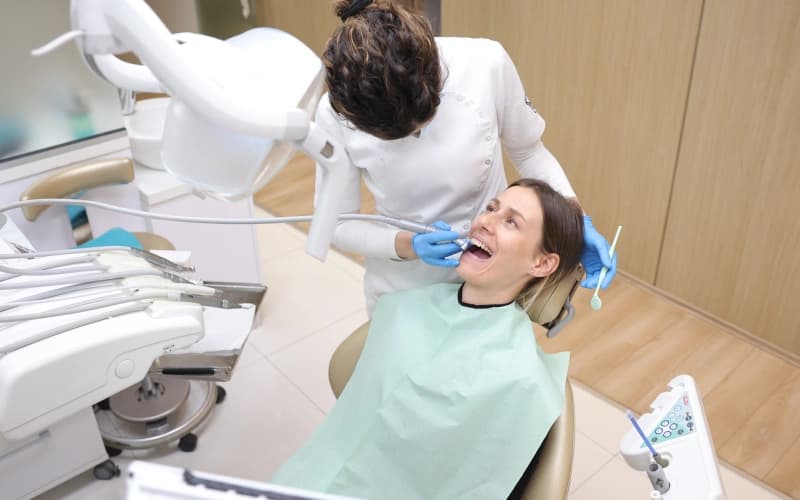
Once gums have receded they cannot be brought back. That is why noticing recession in time and starting treatment matters: it is what stops or slows it. If you suspect your gums are receding, the first and best thing to do is speak to your dentist, so the problem is identified in time and the right treatment can begin.
If the recession is at an early stage, the dentist will advise you on your hygiene routine to reduce it. That can also stop it getting worse and prevent more serious consequences.
Treating receding gums
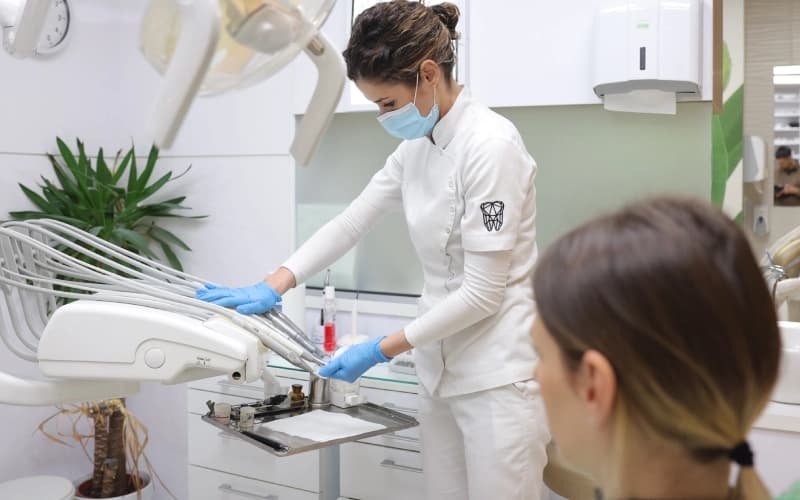
- Root planing: the dentist may recommend cleaning the roots. The procedure has two parts. First all plaque and tartar above and below the gum line is removed. The dentist then smooths the root of the tooth to help the gum reattach to it. Local anaesthetic is given, and several visits may be needed. Afterwards your gums will be swollen, red and tender, which is normal. The dentist will recommend rinsing with an antimicrobial solution to reduce bacteria and prevent infection. After the treatment, regular check-ups are needed to make sure the recession is not getting worse, and impeccable oral hygiene matters throughout.
- Gum surgery: more severe recession requires surgery, of which there are several kinds. Open root planing: the damaged gum tissue is folded back to give better access for cleaning and smoothing the root. The gum is then closed again, which makes it easier to keep clean. Regeneration: the dentist cleans bacteria and plaque above and below the gum, then applies regenerative material in the form of a membrane (a protein that stimulates tissue, or grafted tissue) to encourage the body to repair the damaged bone and tissue naturally. The gum is then attached firmly over the root.
- A gum graft: where gum tissue has been lost, the dentist may recommend soft tissue surgery, that is a gum graft. Tissue is taken from the neighbouring gum or from the roof of the mouth and sutured to the gum tissue, covering the exposed root.
The signs and symptoms of receding gums
The symptoms patients usually notice are:
- Pain and sensitivity when eating
- A reaction to hot and cold
This happens because the exposed surface of the root is full of tiny channels containing the cells that carry sensation to the living part of the tooth, the pulp. The commonest signs are a visible root and an elongated crown: visually, the teeth look considerably longer. With the tip of your tongue you can feel a notch or small ridge where tooth and gum meet.
Other symptoms can be:
- Bad breath (halitosis)
- Swelling, redness and pain
- Gums bleeding when you brush
Unfortunately, in some cases gum atrophy can go entirely unnoticed.
| Cause | Symptom |
| Poor oral hygiene | Inflamed gums |
| Aggressive brushing | Sensitivity to heat and cold |
| Periodontal disease | Loose teeth |
| Physical or mechanical wear | Visible tooth roots |
| Orthodontic irregularities | Pain when chewing |
| High attachments | Bleeding gums |
| Ageing | Teeth looking longer |
| Inflamed gums | Bad breath |
Something you may not know about receding gums
Did you know our distant ancestors did not have the trouble with receding gums that we do? The reason is that their diet and their way of life were considerably different. Where we tend towards soft food and drinks full of sugar, they chewed raw food, which cleaned their teeth and gums naturally. That raw diet and the constant stimulation of the gums helped keep them healthy and prevented recession.
Adding fibrous food such as raw fruit and vegetables to your diet can help keep your gums healthy and reduce the risk of recession.
Frequently asked questions
Receding gums are a serious problem that can cause pain, sensitivity and concerns about appearance. Here are some frequently asked questions and answers that help explain the condition and how to deal with it.
- What are receding gums?
- Receding gums is a condition where the gum pulls back from the tooth, exposing its root. It can cause sensitivity and increases the risk of decay and other dental problems.
- What are the commonest causes?
- The commonest causes are poor oral hygiene, aggressive brushing, periodontal disease and physical wear of the gums.
- How can I prevent receding gums?
- Regular and proper brushing, using floss, avoiding aggressive brushing and seeing a dentist regularly are what prevent it.
- Can receding gums be treated?
- Receding gums cannot be fully reversed, but the recession can be stopped or slowed. There are several treatments, including root planing and gum surgery.
- Can receding gums cause tooth loss?
- Yes. Left untreated, receding gums can lead to tooth loss through loosening teeth and infection.
- Are receding gums linked to ageing?
- Yes, ageing is one of the factors that can contribute, but it happens to people of every age.