
share
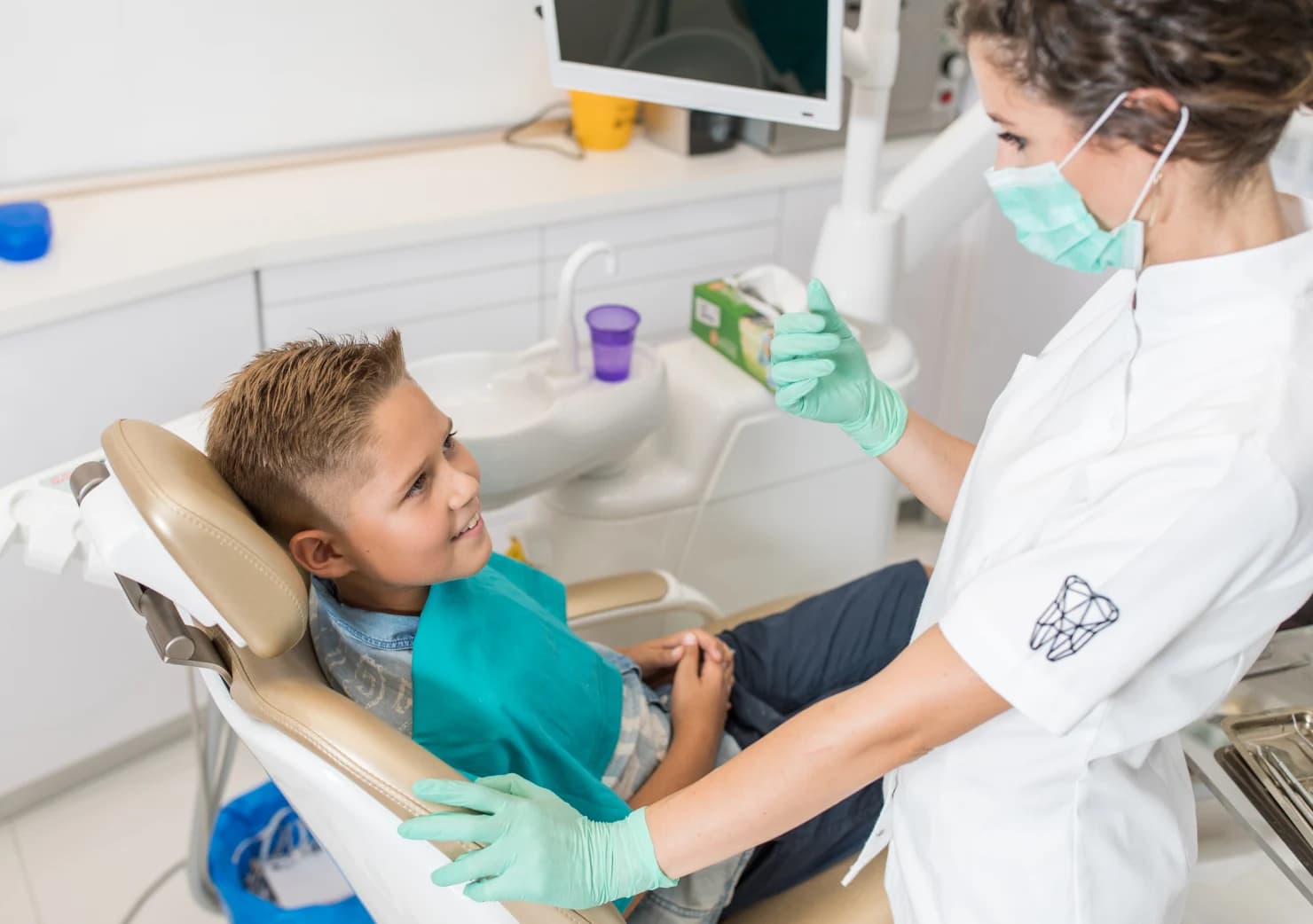
Children at the dentist feel all sorts of things, from curiosity to fear. A first dental examination can lay the foundation for a lifetime of oral hygiene and health. Unfortunately fear of the dentist often gets in the way of regular visits. That is why it matters that parents know how to prepare a child properly for the experience — to avoid the negative feelings and to build a positive view of dental visits from early childhood.
Why the first examination matters
Oral hygiene in early childhood is central to preventing decay in children. Regular check-ups not only keep teeth healthy but also teach parents why proper care matters.
Why is the first check-up important?
The first visit lets the dentist assess the health of your child's teeth and gums and spot any problem early, such as the first signs of decay or a problem with the bite. It is also a chance for the child to get to know the practice and build a positive association with it.
How to reduce a child's fear of the dentist
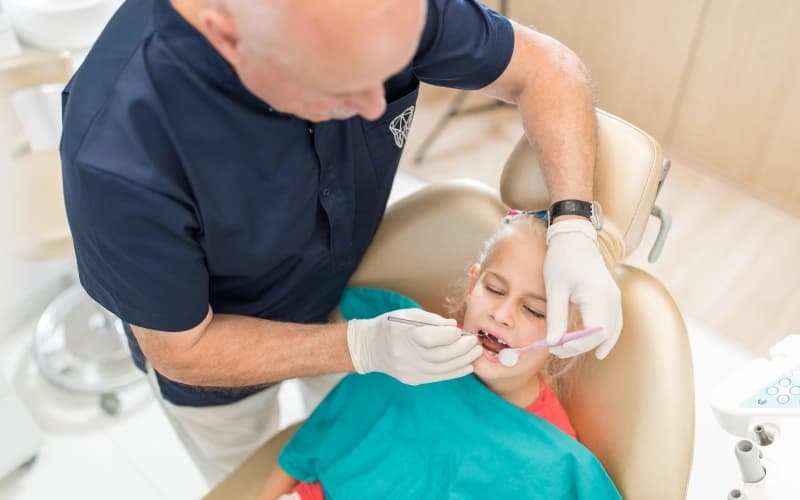
Many parents face the question of how to reduce a child's fear of the dentist. Fear of the unknown can be intense in a small child, so it is worth taking steps to ease it.
Preparing at home
Preparing a child can mean telling stories about what will happen, playing at being the dentist, and visiting the practice before the appointment so the child knows the surroundings. There are books and cartoons that show a visit to the dentist in an engaging way. A positive approach and encouragement help a child feel safer and more relaxed.
Oral hygiene and diet in children
Brushing properly is a habit built from an early age. The first lesson a child needs is how to use a toothbrush and toothpaste properly.
Advice on brushing
Use a soft toothbrush, gentle on your child's gums and teeth, and a fluoride toothpaste that helps prevent decay. Brushing at least twice a day, in the morning and before bed, is essential. Use a pea-sized amount of toothpaste for children over two.
A healthy diet
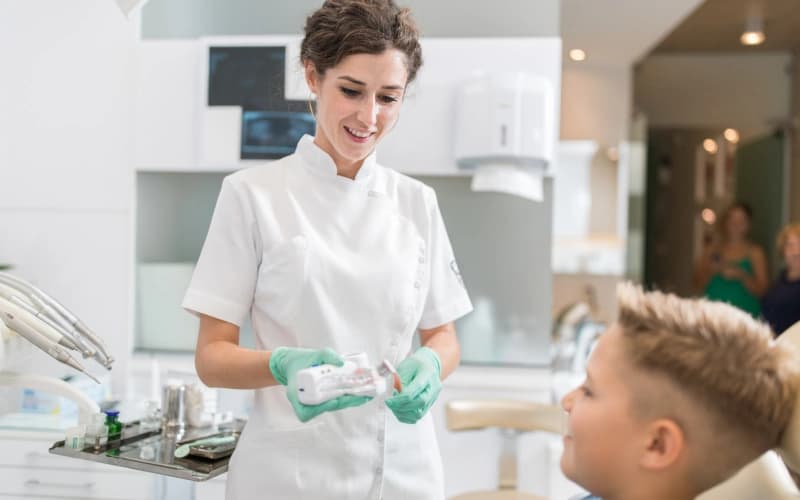
Alongside hygiene, diet plays a central part in keeping teeth healthy. Avoiding sweets and fizzy drinks, and eating food rich in calcium and vitamins — dairy products, raw vegetables and nuts — can significantly reduce the risk of decay. Together with these habits, regular check-ups are what keep the health of a child's teeth and gums on track.
| Product | Description | Recommended age |
| Soft toothbrush | Gentle on gums and teeth | 2+ years |
| Children's fluoride toothpaste | Protects against decay | 2+ years |
| Children's floss | Cleans between the teeth | 6+ years |
How to choose the right dentist for a child
Choosing the right dentist can be decisive for a child's comfort and for a positive experience. It is worth asking other parents about their experience, and visiting a few practices to find the one that suits you.
Visiting the practice beforehand
Visiting beforehand helps a child get to know the surroundings and the dentist, which can reduce fear and anxiety. Talk to the dentist about your child's particular needs and about how they work with children, to make sure the visit is as comfortable and safe as possible. Ask about their approach with children and about what they do to ease anxiety.
Advice for parents on children's oral hygiene
Parents play a vital part in forming the right habits. Teaching proper brushing, keeping to regular check-ups and explaining why a healthy diet matters all contribute a great deal to the health of a child's teeth.
Setting an example
Parents should be an example to their children. If a child sees a parent going to the dentist regularly and without dread, they are far more likely to take a positive view of it themselves. It also matters that parents know how to motivate a child, with rewards and praise but without undue pressure. Brushing together can be an enjoyable family routine.
Interesting things for children at the dentist
Here are a few facts that help children feel more at ease:
- Dentists use special little mirrors to look at small teeth.
- Fluoride is like a superhero for teeth — it helps them stay strong.
- There are toothpastes in different flavours, like strawberry and chocolate.
- Baby teeth matter, because they keep the place for the permanent ones.
- A dentist can make funny balloons out of gloves!
Questions parents ask most about children's oral health
Here we answer some of the questions parents ask most often about their children's oral health.
- When should a child first see a dentist?
- Most dentists recommend a first check-up at around a year old, or when the first tooth comes through.
- How can I help my child not be afraid of the dentist?
- Talk to your child about what to expect, play at being the dentist at home, and choose a dentist who works regularly with children.
- How often should a child see a dentist?
- A check-up every six months is recommended.
- What is the best toothpaste for children?
- Choose a fluoride toothpaste made for children, with a mild flavour.
- What should I do if my child has decay?
- See a dentist as soon as possible, so it is dealt with in time and further complications are avoided.
- How do I choose the right toothbrush for a child?
- Choose one with soft bristles and a size suited to your child's age.
- What should I do if my child refuses to brush?
- Try making it enjoyable: use songs, educational apps, or brush together as a family.
In summary
All of these habits matter for a child at the dentist. Regular check-ups play a vital part in keeping the mouth healthy, and a first examination can be a positive step towards a lifetime of looking after teeth. The right dentist, proper hygiene and a parent's support are the foundation of a healthy smile.